



200,000+
Satisfied Customers
36,000
Repeat orders
20
Years of experience
#1
In quality products



Medical challenges aren't easy.
But we're here to make it as pain-free as possible.
With Medical Mega, you get more than supplies.
You get: Care. Warmth. Understanding.
At your service from start to finish

Helping hand
No question too small or big. Want us to check your status? Sure. Want us to help you place the order? We're on it.

Secure packaging
When you place an order, we work fast to get your medical supplies packed safely, securely, and privately.

Fast shipping
You need your medical items as soon as possible. Get same-day or next-day shipping — and that's a guarantee.
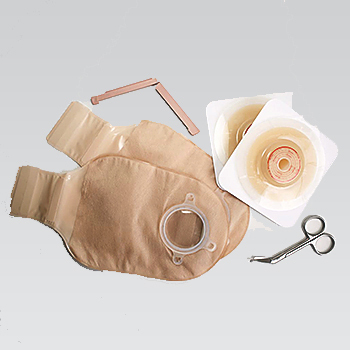
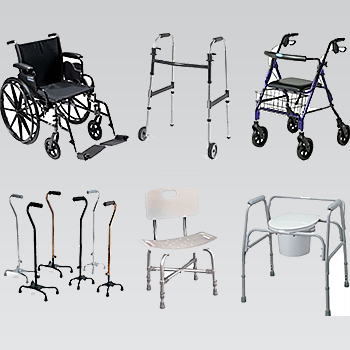
Shop by category




Competitive pricing
Why pay more when you don't have to?

Huge selection
Over 20,000 products in stock.
Free returns
No questions asked*.
Our reviews say it all

Talk to someone kind
Want someone to place the order for you? Need help with a product?
Call, email, or chat — we're here to help with anything you need.

Call

